
Introduction
Access to financial markets has become faster and more structured with the rise of digital platforms. A Trading App allows individuals to place orders, track portfolios, and monitor markets in real time without relying on physical intermediaries. While technology has simplified participation, understanding how trading apps function and how to use them responsibly is essential for consistent outcomes. This article explains the role of trading apps, their impact on behavior, and how they fit into a broader investing framework.
What Is a Trading App?
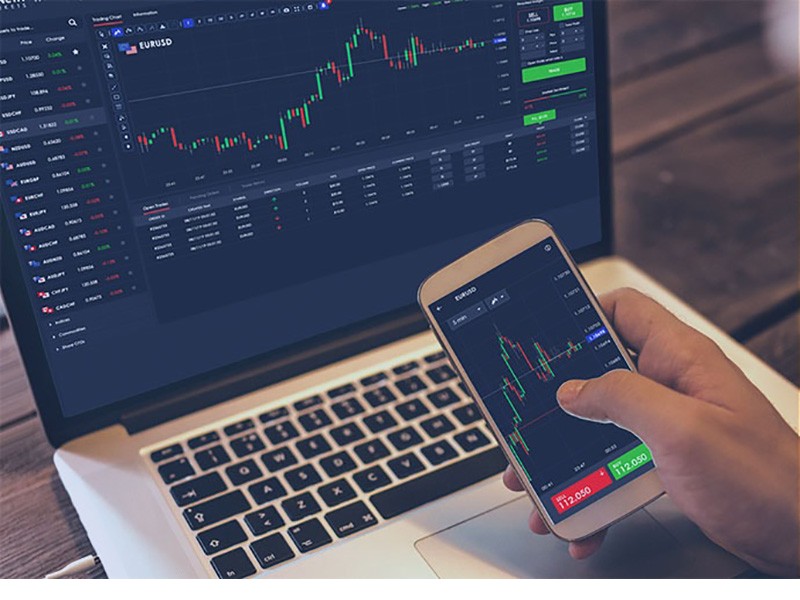
A trading app is a digital interface that connects users directly to stock exchanges through licensed intermediaries. It enables buying and selling of financial instruments, viewing price charts, managing orders, and accessing account information.
The key advantage of a Trading App lies in speed and transparency. Prices are updated instantly, and transactions are executed electronically, reducing delays and manual errors that were common in traditional systems.
How Trading Apps Changed Market Access
Earlier, market participation required physical paperwork and phone-based execution. Today, trading apps have removed many of these barriers.
Key changes include:
- Faster order execution
- Lower entry barriers for individuals
- Real-time access to market data
- Improved transparency in pricing and charges
This accessibility has increased participation across age groups and experience levels.
Core Features Offered by Trading Apps
Most trading apps provide a standard set of tools designed to support decision-making and execution.
Common features include:
- Live price tracking and charts
- Order placement and modification
- Portfolio overview and transaction history
- Alerts for price movement and order status
While these tools improve convenience, they do not replace the need for knowledge and discipline.
Trading Apps vs Investment Platforms
Although often used interchangeably, trading apps and long-term investment platforms serve slightly different purposes.
Trading-focused platforms emphasize speed, charts, and frequent execution. Investment-oriented platforms focus more on portfolio tracking, goal alignment, and long-term holdings.
Understanding this distinction helps users avoid treating long-term investments like short-term trades, a common behavioral mistake.
Impact on Investor Behavior
Easy access can be both beneficial and risky. While trading apps empower users, they can also encourage overtrading if used without discipline.
Frequent notifications, constant price updates, and instant execution may lead to impulsive decisions. Successful participants use trading apps as tools, not triggers for constant action.
A structured approach ensures that technology supports strategy rather than overrides it.
Risk Management Within Trading Apps
Risk management remains the user’s responsibility, regardless of platform efficiency. Trading apps provide tools such as order types and price alerts, but discipline determines how they are used.
Effective risk practices include:
- Predefining entry and exit levels
- Limiting exposure per trade
- Avoiding excessive leverage
Using these controls consistently reduces emotional decision-making and capital erosion.
Security and Compliance Considerations
Trading apps operate within regulated frameworks and use encryption, authentication, and monitoring systems to protect user data. However, users must also follow best practices.
Strong passwords, two-factor authentication, and awareness of phishing attempts are essential. Technology improves security, but vigilance remains necessary.
Role of Trading Apps in Long-Term Investing
A Trading App is not limited to short-term activity. Many long-term participants use the same platforms to build and manage portfolios over time.
The key difference lies in behavior. Long-term Investing focuses on holding quality assets, periodic review, and disciplined contributions rather than frequent buying and selling.
Used correctly, trading apps support both trading and investing objectives without conflict.
Common Mistakes Users Make
New users often mistake accessibility for simplicity. Overconfidence, reacting to short-term price movement, and ignoring costs are frequent errors.
Another common mistake is equating activity with progress. More trades do not necessarily mean better outcomes. A thoughtful approach delivers better results than constant action.
Balancing Convenience With Discipline
Technology should enhance clarity, not encourage impulsive behavior. Setting predefined rules, limiting screen time, and focusing on goals help maintain balance.
A trading app works best when integrated into a broader financial plan rather than used as a standalone decision-maker.
Conclusion
A Trading App has transformed how individuals interact with financial markets by offering speed, transparency, and convenience. However, technology alone does not guarantee success. When combined with discipline, risk control, and a long-term Investing mindset, trading apps become powerful tools rather than sources of distraction. Used responsibly, they support structured market participation across different financial objectives.
FAQs
Is a trading app suitable for beginners?
Yes, if used with proper education and controlled exposure.
Do trading apps increase risk?
The app itself does not increase risk; user behavior does.
Can trading apps be used for long-term investing?
Yes. Many investors use them for portfolio building and monitoring.
Is frequent trading necessary to succeed?
No. Discipline and strategy matter more than trade frequency.