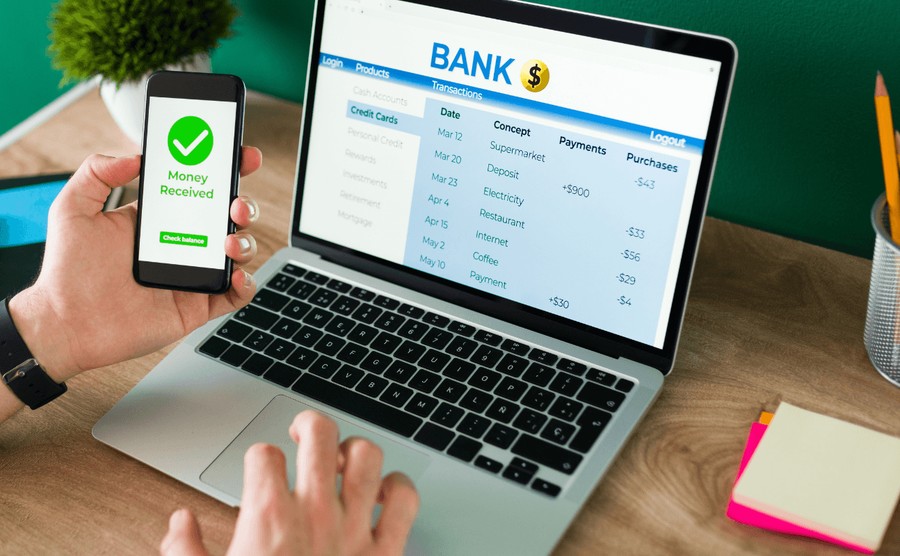
Collecting payments from customers is an important part of running a business. While one-time transactions are usually straightforward, recurring collections can become difficult when customers pay on different dates or use different payment methods.
Businesses that provide monthly services, subscription plans or regular supplies often need to monitor outstanding payments, send reminders and maintain accurate records. Without an organised process, employees may spend considerable time following up on unpaid amounts.
Digital business payment solutions can help manage these activities by providing supported payment collection methods, transaction records and recurring payment features.
This article explains how businesses can simplify recurring customer collections, reduce manual follow-ups and maintain accurate payment information.
What Are Recurring Customer Collections?
Recurring customer collections refer to payments that businesses receive from customers at regular intervals.
These payments may occur weekly, monthly, quarterly or according to an agreed billing schedule.
For example, a business providing monthly maintenance services may collect ₹2,000 from each customer at the beginning of every month.
Similarly, a supplier delivering products regularly may collect payments according to an agreed billing cycle.
Common examples include:
- Monthly subscription charges
- Membership fees
- Maintenance payments
- Regular product deliveries
- Educational service fees
- Rental payments
- Instalment-based service charges
The payment frequency and collection conditions depend on the agreement between the business and its customers.
Why Do Businesses Face Problems With Recurring Collections?
Managing repeated payments involves more than receiving money. Businesses must also identify pending amounts and confirm whether customers have completed their payments.
Different Customer Payment Dates
Customers may have different billing cycles, making it difficult to monitor every due date manually.
Delayed Customer Payments
Some customers may forget their payment deadlines or require additional reminders.
These delays can affect the business’s expected cash inflows.
Multiple Payment Methods
Businesses may receive collections through cash, UPI, bank transfers and other supported methods.
Combining these transactions into accurate records can require additional administrative work.
Incomplete Payment Information
When customers make payments without providing the correct invoice or reference details, identifying the corresponding bill can become difficult.
An organised collection system can help businesses address these challenges.
How Digital Payment Solutions Support Recurring Collections
Digital payment services may provide features that help businesses collect and monitor customer payments.
The available functions depend on the provider and the business’s payment arrangements.
Scheduled Payment Reminders
Some systems allow businesses to send reminders before or after a payment due date.
This can help customers remember their obligations without requiring repeated manual follow-ups.
Recurring Payment Authorisation
Eligible recurring payments may be collected through authorised payment mandates.
Customers review and approve the relevant conditions before automatic deductions are initiated.
Transaction Status Monitoring
Payment dashboards may show whether transactions are successful, pending or unsuccessful.
These records help businesses identify collections that require further attention.
Customer Payment Records
Maintaining payment information against customer accounts or invoices can make it easier to review outstanding dues.
How Business Pay Features Help Reduce Manual Work
A business pay solution may help merchants manage supported payment collections through one digital interface.
For example, consider a service provider with 80 customers who pay a monthly fee.
If the business manually contacts every customer and checks individual bank transfers, collection management can require substantial administrative effort.
A suitable digital system may help the business:
- Record customer payment obligations.
- Generate supported payment requests or invoices.
- Send payment reminders.
- Monitor incoming transactions.
- Identify overdue amounts.
- Reconcile completed payments.
- Maintain collection reports.
However, not every business payment platform includes all these functions.
Businesses should verify which features are available before selecting a service.
Understanding Automatic Payment Mandates
Automatic payment mandates can be useful for businesses collecting eligible recurring charges.
A mandate records the customer’s authorisation for payments under specified conditions.
These conditions may include the amount, maximum limit, payment frequency and validity period.
How Mandate Registration Works
The customer receives a supported authorisation request containing the payment terms.
After reviewing the information, the customer completes the required authentication.
Once the mandate becomes active, eligible payments may be initiated according to the agreed schedule.
What Happens When a Payment Fails?
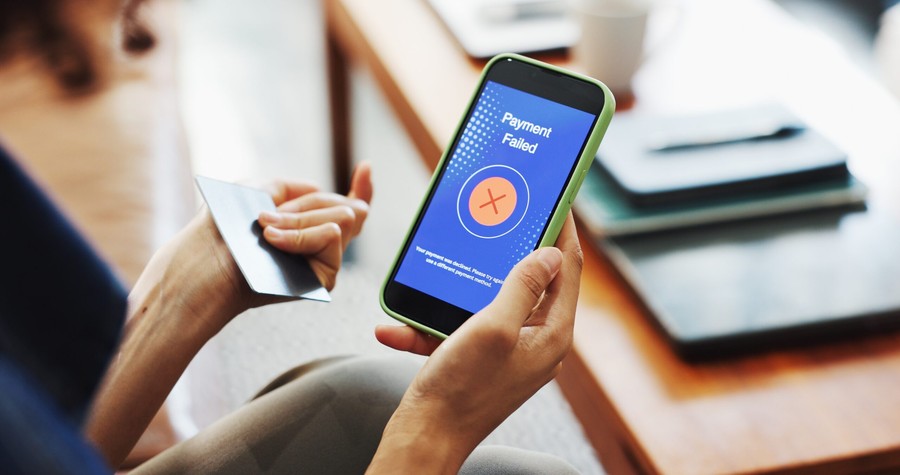
A recurring payment can fail because of insufficient account balance, expired authorisation or technical restrictions.
Businesses should check the transaction status before requesting another payment.
Automatic collection does not guarantee that every scheduled deduction will succeed.
Improving Payment Tracking and Reconciliation
Receiving a payment does not automatically mean the corresponding customer invoice has been settled in the business’s records.
Payment reconciliation helps connect transaction information with outstanding customer balances.
Match Payments With Invoices
Where supported, businesses can use invoice numbers, customer identifiers or transaction references to match payments with the correct accounts.
Review Pending Transactions
Pending transactions should remain unresolved until their final status is available.
Businesses should avoid recording these payments as completed collections.
Compare Settlement Records
Digital payment collections should be compared with bank credits and settlement reports.
For example, if a business records ₹50,000 in successful customer payments, the corresponding settlement records should explain the amounts received and any applicable adjustments.
Regular reconciliation helps prevent incorrect collection totals.
Choosing Payment Methods for Different Customers
Not every customer prefers the same payment method.
Some may choose UPI transfers, while others may use supported cards, banking services or authorised recurring payments.
Businesses should consider customer preferences when deciding which collection options to offer.
For example, a monthly subscription business may benefit from supported automatic payment arrangements.
A retailer supplying products on different dates may prefer generating invoices and accepting payments individually.
The selected method should match the business’s billing structure and customer requirements.
Managing Overdue Customer Payments
Even with digital collection systems, some payments may remain outstanding.
Businesses should establish a consistent process for following up on overdue invoices.
Send Clear Payment Reminders
Reminders should include the amount due, relevant invoice details and accepted payment methods.
Avoid sending unclear messages that could confuse customers about the outstanding balance.
Confirm Previous Transactions
Before sending another reminder, verify whether the customer has already initiated or completed the payment.
This helps prevent unnecessary follow-ups.
Maintain an Outstanding Payments List
Keep a record of overdue invoices and the actions taken to resolve them.
This allows authorised employees to monitor unresolved collections without repeatedly contacting the same customer.
Important Security Practices for Customer Collections
Businesses collecting digital payments should protect both customer information and merchant account access.
Follow these practices:
- Use official payment services.
- Verify payment confirmation through merchant records.
- Restrict refund permissions to authorised employees.
- Avoid sharing account passwords.
- Keep customer payment information secure.
- Review unfamiliar transactions promptly.
- Remove access for employees who leave the business.
Businesses should also avoid requesting customers’ UPI PINs, passwords or other confidential authentication details.
How Payment Confirmation Devices Support Businesses
A merchant soundbox is a payment notification device that can provide audible alerts when supported digital payment transactions are confirmed.
For businesses handling frequent customer payments, these devices may help employees identify incoming transactions without repeatedly checking a mobile phone.
For example, a shop receiving several QR payments during busy hours may use a soundbox to hear transaction alerts.
However, an audible notification is not a substitute for complete payment reconciliation.
Soundboxes do not automatically manage recurring invoices, customer subscriptions or overdue collections.
Businesses should review device charges, connectivity requirements and supported payment services before choosing this option.
Conclusion
Business payment solutions can simplify recurring customer collections by helping merchants organise payment records, monitor transaction status and manage eligible payment arrangements.
Features such as reminders, recurring mandates and transaction reporting may reduce manual administrative work.
However, successful collection management also requires accurate customer records, regular reconciliation and clear communication about outstanding payments.
Businesses should select payment services based on their collection frequency, customer requirements and operational needs.
A consistent approach can help reduce payment confusion while improving the accuracy of recurring collection records.
Frequently Asked Questions
1. What Are Recurring Customer Collections?
Recurring customer collections are payments that businesses receive at scheduled intervals for subscriptions, services, memberships or other ongoing arrangements.
2. Can Businesses Automate Recurring Customer Payments?
Yes. Eligible businesses can use supported recurring payment mandates, subject to customer authorisation and applicable payment conditions.
3. How Can Businesses Track Outstanding Customer Payments?
Businesses can maintain invoice records, review transaction history and compare completed collections with outstanding customer balances.
4. Can a Merchant Soundbox Manage Recurring Payments?
No. A merchant soundbox primarily provides supported payment notifications. Recurring payment management requires separate collection, billing or mandate features.